
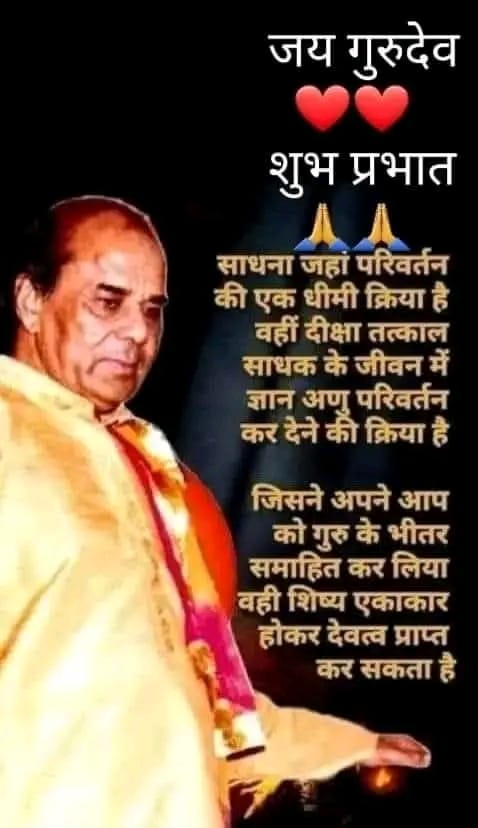
Dhoomavati Diksha is a profound spiritual practice rooted in Hindu tradition that offers seekers a unique pathway to inner transformation and self-realization. As one of the ten Mahavidyas, Goddess Dhoomavati embodies the energies of darkness and wisdom, guiding practitioners through the complexities of life. This article delves into the intricacies of Dhoomavati Diksha, exploring the significance of Sadhana, the power of the Dhoomavati mantra, and the step-by-step methodology for embarking on this sacred journey. Additionally, we will discuss the myriad benefits of engaging in Dhoomavati Sadhana, address common challenges faced by practitioners, and share personal testimonials that highlight the transformative impact of this spiritual endeavor.

Don't forget to subscribe! Youtube Post Call Now +91 9560160184
Understanding Dhoomavati Diksha: An Overview
Thank you for reading this post, don't forget to subscribe! Youtube Post Call 919560160184
1.1 Historical Background of Dhoomavati
Dhoomavati, the seventh of the Mahavidyas or the ten Great Wisdom Goddesses, has a rich tapestry woven into the fabric of Hindu philosophy and spirituality. Historically, she stands out as a figure of paradox; her name, which translates to “the one who is smoky,” hints at her nature—mysterious and intriguing. In ancient texts, she is often depicted as a widow, representing the darker aspects of life such as loss, despair, and the inevitable cycle of endings. Yet, these qualities underscore her powerful role in guiding devotees through adversity and transformation. Dhoomavati’s essence is a reflection of the acceptance of life’s dualities and the wisdom that comes from embracing our shadows.
1.2 The Role of Dhoomavati in Hindu Mythology
In the pantheon of Hindu deities, Dhoomavati plays a pivotal role as a guardian of the hidden and the neglected. She is often portrayed riding a chariot of crows, symbolizing her connection to the unseen realms of the psyche and the mysteries of life. Myths surrounding her narrative suggest that she possesses profound knowledge of change, loss, and rebirth. Unlike many other deities who represent auspicious beginnings, Dhoomavati embodies the natural conclusion of cycles, teaching us that with every ending comes the potential for renewal. Her presence in rituals encourages devotees to confront their deepest fears and allows them to emerge stronger, thereby transforming obstacles into opportunities for growth.
1.3 The Essence of Diksha in Spirituality
Diksha, a Sanskrit term, means initiation and is a crucial aspect of spiritual practice within Hinduism. Think of it as a spiritual makeover—like a personal trainer for your soul! This sacred process involves receiving blessings from a guru and is intended to awaken the aspirant’s latent potential. Through diksha, devotees are empowered to pursue spiritual goals with a renewed sense of purpose and commitment. The initiation signifies a special bond between the guru and disciple, marking the beginning of a transformative journey. It’s believed that through this ceremonial act, divine energy is transferred, catalyzing the inner growth needed to navigate life’s complexities with wisdom—to channel one’s inner Dhoomavati, if you will!
Significance of Sadhana in Spiritual Practices
2.1 Definition and Purpose of Sadhana
Sadhana is essentially the spiritual workout routine that allows one to flex their inner spiritual muscles. Defined as a disciplined effort to achieve a specific spiritual goal, it incorporates various practices such as meditation, chanting, and rituals. At its core, sadhana serves as the vehicle through which individuals can connect with the divine, cultivate self-awareness, and foster inner peace. It’s the bridge between the mundane and the mystical, offering practitioners a structured approach to explore their spiritual paths. In the chaotic world we live in, sadhana helps provide a sense of grounding, especially when life feels like it’s throwing curveballs at us.
2.2 The Journey of Self-Discovery Through Sadhana
Embarking on a sadhana journey is akin to setting off on a treasure hunt—except the treasure isn’t a chest of gold but the essence of your true self! Through consistent practice, individuals delve into their psyche, confronting hidden fears, desires, and motivations. This process of self-discovery often leads to aha moments where one realizes that the biggest obstacles reside within. Sadhana fosters a profound connection with oneself, nurturing qualities like compassion, patience, and understanding. It’s not just about spiritual gains; it’s about uncovering the layers that define us and ultimately embracing our authentic selves with all our quirks—because let’s face it, nobody wants to be a boring spiritual robot!
2.3 Types of Sadhana in Hindu Traditions
Like ice cream flavors, sadhana comes in many varieties, each catering to different tastes and spiritual aspirations. In Hindu traditions, you’ll find everything from mantra sadhana, which involves chanting sacred sounds, to yoga sadhana, focusing on physical postures and breath control. There’s also the contemplative approach of jnana sadhana, where knowledge and wisdom are sought through study and reflection. Each type serves its purpose in shaping a practitioner’s journey, allowing them to choose what resonates most. Whether you want to hum a catchy mantra or perfect your downward dog, the world of sadhana is your oyster!
The Dhoomavati Mantra: Structure and Meaning
3.1 Breakdown of the Mantra’s Components
The Dhoomavati mantra is a beautifully crafted invocation, rich in sound and meaning. Typically, it includes her name, aspects of her nature, and invocations for wisdom and protection. Each syllable is like a key that unlocks different energies within the universe and within ourselves. For instance, the repeated use of “Dhoom” not only calls to her directly but also hints at the transformative power of smoke, representing the potential for transformation and healing. Understanding the mantra’s components is much like dissecting a delicious recipe—each ingredient plays its role in creating the whole experience.
3.2 The Symbolism Behind Each Element
Every element in the Dhoomavati mantra holds a special place in the tapestry of symbolism. The smoky imagery captures the essence of obscurity and the unknown, prompting practitioners to engage with their fears and uncertainties. Each invocation and chant serves to enhance the connection between the practitioner and the divine feminine, encouraging a dialogue filled with wisdom and insight. It’s as if each word is a brushstroke in the larger picture of understanding the ephemeral nature of life and the lessons it offers. The mantra is not just about recitation; it’s a call to explore the deeper meanings that lie beneath the surface.
3.3 Chanting Techniques and Pronunciation Tips
Chanting the Dhoomavati mantra is where the magic truly happens, and trust me, it’s not about hitting the high notes like a rock star. Proper pronunciation is key to unlocking the mantra’s full potential. Start slowly, ensuring you articulate each syllable clearly, much like preparing a fine wine (because spiritual journeys deserve a bit of flair!). Use a steady rhythm, allowing the sound vibrations to resonate deeply within you. It can be helpful to chant in front of a mirror or record yourself—nothing boosts confidence like a solo performance! Consistent practice will help refine the technique, and soon you’ll feel the mantra’s energy flowing through you like a steady stream of inspiration.
Methodology of Dhoomavati Diksha: Step-by-Step Guide
4.1 Preparatory Practices Before Diksha
Before diving into the sacred waters of Dhoomavati Diksha, it’s essential to prepare both physically and mentally. Think of it as getting ready for a big event—no one shows up to a wedding in pajamas! Begin with a cleansing ritual
Benefits of Dhoomavati Sadhana: Mental, Emotional, and Spiritual Rewards
5.1 Mental Clarity and Focus
Dhoomavati Sadhana is like a mental detox for your brain. Practitioners often report a significant boost in mental clarity and focus after engaging in this practice. By turning inward and channeling energy through the Dhoomavati mantra, distractions fade into the background like a bad pop song. This newfound concentration can help you tackle tasks with a sharper mind, whether it’s navigating your daily responsibilities or finding innovative solutions to complex problems. Think of it as tuning in to your personal radio station, where the static is replaced by crystal-clear signals of clarity and purpose.
5.2 Emotional Healing and Resilience
Let’s face it, life can throw some pretty hefty curveballs, and navigating emotional turbulence can be a daunting task. Dhoomavati Sadhana provides a safe space for emotional healing, allowing practitioners to confront fears, anxieties, and unresolved feelings. By working with the energies of Dhoomavati, individuals often find resilience blooming like a sunflower in a storm. The practice encourages emotional release and understanding, leading to greater self-acceptance and inner peace. It’s like getting a warm hug from the universe while you learn to dance in the rain of your emotions.
5.3 Spiritual Growth and Enlightenment
Engaging in Dhoomavati Sadhana is not just a practice; it’s like embarking on a spiritual quest that leads to profound growth and enlightenment. As practitioners delve deeper into the mantras and rituals, many experience a shift in consciousness, opening doors to higher realms of understanding and connection. This journey often reveals hidden truths about oneself and the universe, encouraging a sense of unity and purpose. It’s a bit like climbing a mountain: the journey may be challenging, but the view from the top—filled with insights and spiritual enlightenment—is absolutely breathtaking.
Common Challenges in Dhoomavati Diksha and How to Overcome Them
6.1 Misconceptions About Dhoomavati Practices
When it comes to spiritual practices like Dhoomavati Diksha, misconceptions can spread faster than rumors in a high school cafeteria. Some folks may think that working with Dhoomavati is all about inviting chaos and doom into their lives—spoiler alert: it’s not! Many misunderstandings arise from a lack of information or preconceived notions that need debunking. Educating oneself about the true essence of Dhoomavati and her teachings can help clear the fog. Seeking guidance from experienced practitioners or reading reliable sources can help you separate the gems from the junk. Knowledge is power, after all!
6.2 Dealing with Distractions During Sadhana
Ah, distractions—the nemesis of every spiritual seeker. Whether it’s the allure of a mobile phone, the neighbor’s dog barking, or the incessant thoughts about what’s for dinner, distractions can pop up like unwanted guests. To combat this, creating a dedicated sacred space for sadhana can work wonders. Think of it as your personal sanctuary, free from the hustle and bustle of daily life. Setting a specific time for practice and using techniques like deep breathing or meditation to ground oneself can also help keep the distractions at bay. With a little practice, you’ll be navigating your sadhana like a pro, even in a world full of shiny objects.
6.3 Maintaining Consistency and Commitment
Staying consistent with Dhoomavati Diksha can sometimes feel like trying to stick to a diet in a donut shop—tempting and oh-so-challenging! Life gets busy, and it’s easy to let your sadhana slip to the back burner. The key is to establish a routine that feels natural—something you can look forward to rather than dread. Setting achievable goals, whether it’s a few minutes of mantra chanting or a longer meditation session, can help keep you on track. Remember, even the smallest commitment can lead to significant progress. As the saying goes, “Slow and steady wins the race,” or in this case, the sadhana!
Personal Experiences: Testimonials from Practitioners
7.1 Transformative Stories from Devotees
The power of Dhoomavati Sadhana isn’t just theoretical; it’s alive in the stories of those who have walked the path. Many practitioners have shared transformative experiences that sound like something straight out of a movie. From overcoming deep-seated fears to discovering a sense of inner strength they never knew existed, these narratives are nothing short of inspiring. One devotee spoke of how Dhoomavati helped them reclaim their purpose after a rough patch in life, while another described an overwhelming feeling of peace washing over them during their sadhana. These tales remind us that while the journey may be personal, the benefits resonate universally.
7.2 Insights from Experienced Practitioners
Learning from those who have been around the sadhana block can be a game-changer. Experienced practitioners often share nuggets of wisdom that can light your own path. Many emphasize the importance of patience and self-compassion, reminding newcomers that spiritual growth isn’t a race; it’s more like a leisurely stroll through a beautiful garden. Common insights include the value of staying open to the process, the importance of proper guidance, and recognizing that challenges are just obstacles on the journey to deeper understanding. So, take notes and soak up their knowledge—it’s like getting a backstage pass to the spiritual concert of a lifetime!In conclusion, Dhoomavati Diksha offers a unique and enriching path for those seeking deeper spiritual understanding and personal growth. By embracing the practices and teachings associated with this powerful tradition, practitioners can unlock profound benefits for their mental, emotional, and spiritual well-being. As you embark on or continue your journey with Dhoomavati Sadhana, remember that consistency, dedication, and an open heart are key to experiencing the full depth of its transformative potential. May your practice lead you to greater wisdom and inner peace.
FAQ
1. What is the significance of Dhoomavati in Hindu mythology?
Dhoomavati is considered one of the ten Mahavidyas, representing the darker aspects of existence, such as loss and fear. She embodies the wisdom that comes from embracing these qualities, ultimately leading to spiritual awakening and transformation.
2. How long does it take to see the benefits of Dhoomavati Sadhana?
The timeline for experiencing benefits can vary depending on individual commitment, consistency in practice, and personal circumstances. Many practitioners report noticeable changes in their mental and emotional states within a few weeks of dedicated practice.
3. Can anyone undertake Dhoomavati Diksha, or is it meant for advanced practitioners only?
Dhoomavati Diksha is accessible to anyone who feels a genuine calling towards the practice, regardless of their prior experience. However, it is advisable to approach it with respect and to seek guidance from an experienced teacher or guru.
4. What are some common challenges faced during Dhoomavati Sadhana, and how can they be overcome?
Common challenges include distractions and maintaining consistency in practice. Setting a dedicated space and time for sadhana, reducing external interruptions, and fostering a supportive environment can help practitioners overcome these obstacles.